01Interoperability stops being a nice-to-have
Owners are tired of paying for custom integration on every project. Open protocols such as BACnet and Modbus are now a baseline requirement, and semantic models like Project Haystack and Brick are showing up in specifications so that data arrives already labelled.
What to do: Ask for a points list with consistent names and tags as a project deliverable, not as an afterthought.
02Analytics moves into standard scope
Fault detection and diagnostics used to be an optional extra sold after handover. More projects now budget for it from the start, because the same data that commissions a building can keep it tuned for years.
What to do: Check who will act on the alerts. Analytics without someone responsible for the fixes becomes another ignored inbox.
03Electrification puts controls under pressure
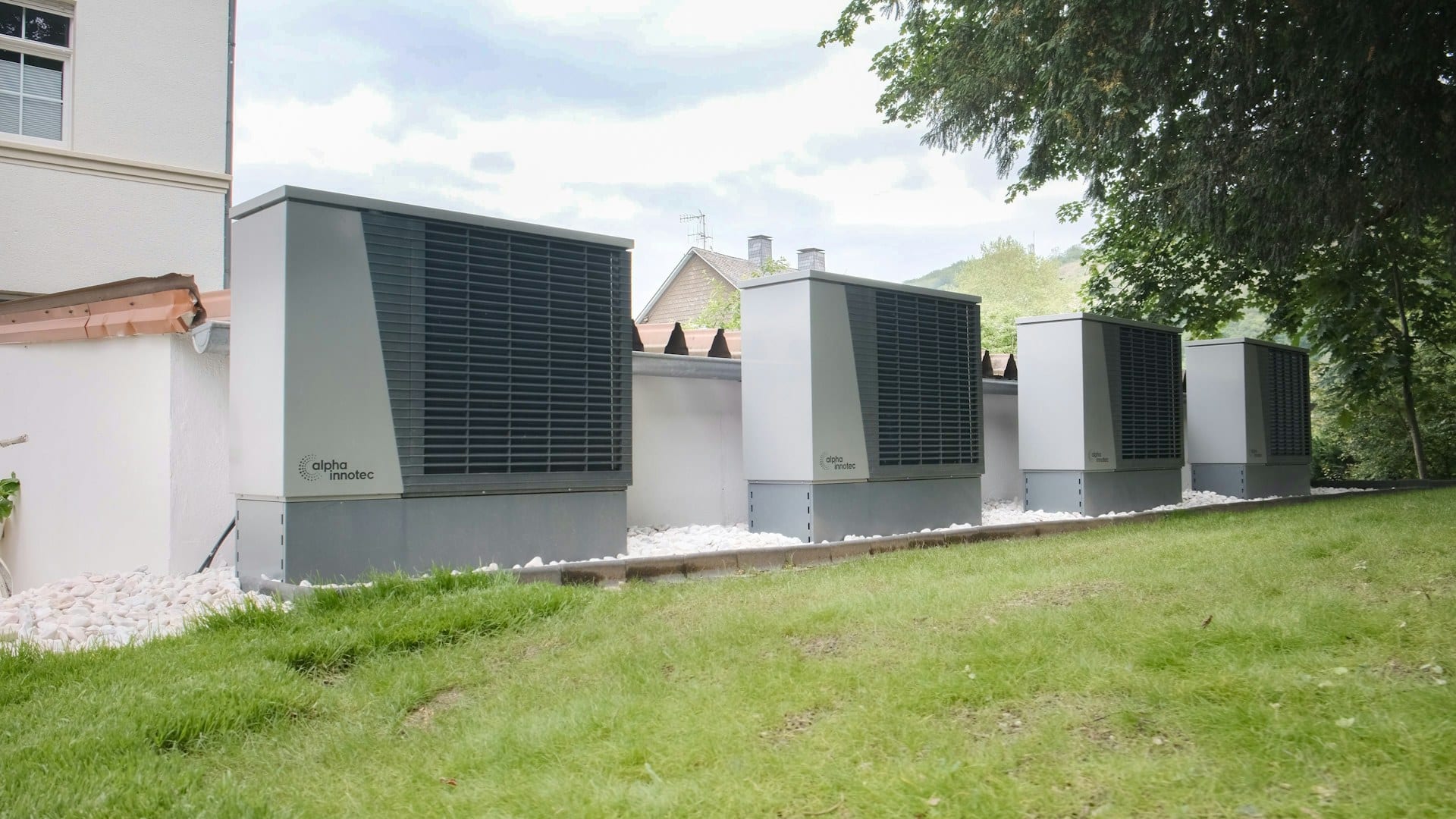
Replacing boilers with heat pumps changes supply temperatures, defrost behaviour and how backup plant is staged. Many retrofits that miss their targets have a controls problem rather than an equipment problem.
What to do: Review the sequence of operations with the same care as the equipment selection.
04Cybersecurity reaches the plant room
Building controls are now treated as part of the attack surface. Asset inventories, network segmentation, proper remote access and BACnet Secure Connect are moving from IT wish lists into tender documents.
What to do: Start with an inventory of every controller and gateway, and remove shared and default passwords.
05Processing moves to the edge
Instead of streaming every data point to the cloud, more logic runs on local gateways. It cuts latency, keeps buildings running during outages and reduces the volume of data that has to leave the site.
What to do: Clarify which functions must keep working if the internet connection drops.
06Buildings join the grid conversation
Demand charges, EV charging and demand response programs are turning buildings into flexible loads. Load management that coordinates chargers, HVAC and storage is becoming part of normal design.
What to do: Before adding chargers or electric plant, look at the electrical service capacity and the demand profile, not just the energy total.
07Indoor air quality stays on the agenda
Interest in IAQ did not fade after the pandemic. CO2-based ventilation control, particulate monitoring and occupant-facing dashboards are now common in offices and schools, with more attention on sensor calibration.
What to do: Plan for calibration and replacement of sensors over the building's life, not just their installation.
08Owners want their data back
Long contracts with closed platforms have taught owners to ask who controls the building data and how it can be exported. Data ownership clauses and open APIs are increasingly part of procurement.
What to do: Get export formats and data ownership in writing before the contract is signed.