
How Real Time Energy Monitoring Is Changing Facility Management
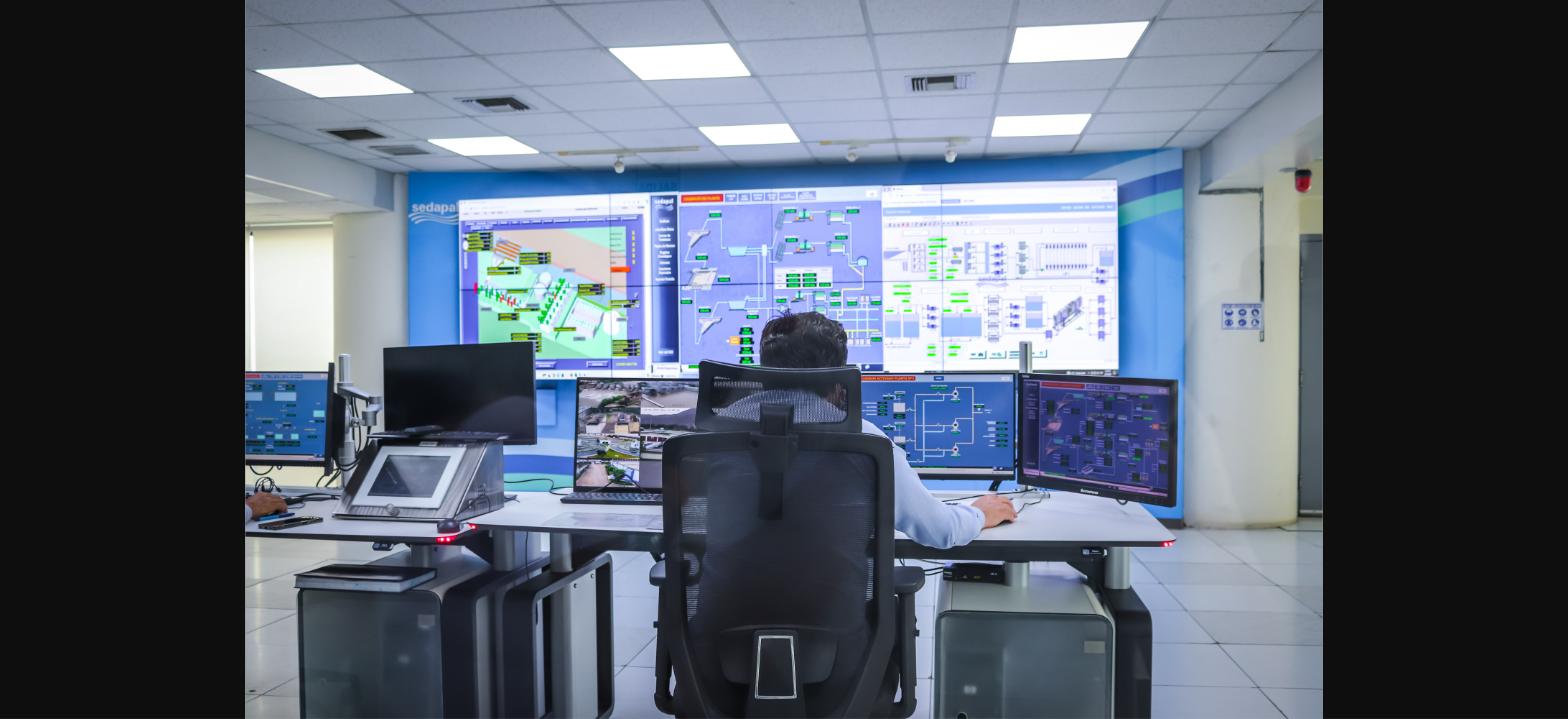
Not long ago, most facility managers found out how much energy their building used once a month, when the utility bill landed on their desk. By then the information was ancient history. A chiller that ran all weekend because a schedule got overridden, a lighting circuit stuck on in an empty wing, a compressor cycling harder than it should because a filter was clogged: all of that showed up as one lump number, weeks after the fact, with no way to trace it back to a cause.
Real time energy monitoring changes that equation. Instead of a single meter read at the end of the month, buildings now generate a steady stream of data from submeters, circuit level sensors, and equipment controllers, all reporting consumption as it happens. That shift, from a monthly snapshot to a continuous feed, is quietly reshaping how facility teams think about their job.
From Reactive Bill Review to Daily Operational Awareness
The old model of energy management was fundamentally reactive. A facility manager would notice a spike in the utility bill, then spend days trying to reconstruct what happened weeks earlier. Was it the weather? A tenant working late? A piece of equipment failing quietly? Without granular data, most of that investigation was guesswork dressed up as analysis.
With real time monitoring in place, the same manager can look at a dashboard each morning and see exactly which systems consumed what, and when. If the air handling unit on the third floor pulled twice its normal load overnight, that shows up immediately rather than buried in an aggregate number thirty days later. The job shifts from forensic accounting to daily operational awareness, which is a much better use of a skilled technician’s time.
This also changes the rhythm of maintenance work. Instead of waiting for a scheduled inspection to catch a problem, teams can set alerts tied to consumption thresholds. A motor drawing more current than its baseline, a refrigeration unit cycling more frequently than normal, or a lighting zone that never seems to turn off at night all become visible patterns rather than invisible waste.
Catching Waste That Used to Hide in Plain Sight
A surprising amount of energy waste in commercial buildings has nothing to do with inefficient equipment. It comes from equipment that is working exactly as designed, just at the wrong time. Rooftop units conditioning empty conference rooms on a Saturday, exterior lighting left on well past sunrise, or ventilation systems running at full occupancy rates in a half empty building are common culprits.
None of these problems show up clearly in a monthly bill. They get averaged into the total and disappear. Real time data breaks that average apart. When energy use is tracked by circuit, by zone, or by piece of equipment, and reported continuously, these patterns become obvious within days rather than years.
There is also a behavioral component that is easy to underestimate. When building occupants and operations staff can see consumption data, even in a simple dashboard, their habits tend to shift. Studies on feedback loops in energy use consistently show that visibility alone, without any equipment changes, tends to reduce consumption by a measurable margin. People turn things off more often when they can see the cost of leaving them on.
Making the Case for Capital Investment With Real Numbers
One of the quieter benefits of granular monitoring is what it does for capital planning. Facility managers are regularly asked to justify equipment upgrades to finance teams who want hard numbers, not estimates. A vague claim that a new chiller will save energy rarely survives a budget meeting. A dataset showing exactly how many hours a piece of equipment ran last year, at what load, and what that cost in kilowatt hours tells a much more convincing story.
This data also helps prioritize which upgrades actually matter. Without granular consumption data, it is tempting to assume the oldest piece of equipment is the biggest energy drain. Sometimes that is true. Just as often, a newer but poorly commissioned system, or a control sequence that was never properly tuned after installation, turns out to be the bigger offender. Real time monitoring surfaces these situations because it shows actual performance rather than assumed performance based on age or nameplate rating.
Over time, this data builds into a track record that supports long term planning. Facility teams can compare year over year performance for the same season, isolate the effect of a retrofit before and after installation, and build a much stronger business case for future projects because they are working from actual measured outcomes rather than manufacturer projections.
Changing What the Facility Manager’s Job Actually Looks Like
Perhaps the biggest shift is less about the technology itself and more about what it does to the daily responsibilities of the people running these buildings. A facility manager working from monthly bills spends much of their time reacting to problems that have already cost money. A facility manager working from continuous data spends more of their time preventing those costs in the first place.
This changes the skill set the role demands. Reading a dashboard, understanding what a normal consumption pattern looks like for a given system, and knowing when a deviation is worth investigating are becoming as important as the traditional mechanical and electrical knowledge the job has always required. Some organizations are hiring dedicated energy analysts to sit alongside operations staff, translating raw data into action items the maintenance team can actually use.
It also changes how facility teams communicate with the rest of the organization. Energy performance used to be an obscure line item that only the finance department cared about once a year. With real time data available, it becomes something operations, sustainability, and finance teams can all look at together, using the same numbers, updated continuously rather than reconstructed after the fact.
The buildings that get the most out of this shift are not necessarily the ones with the newest equipment. They are the ones where facility teams treat the data as a daily tool rather than a quarterly report. As monitoring technology becomes cheaper and easier to deploy across more building systems, that daily habit of watching, questioning, and acting on real time consumption data is quickly becoming a baseline expectation rather than a competitive advantage.