
The Role of Digital Signage in Modern Smart Building Experiences
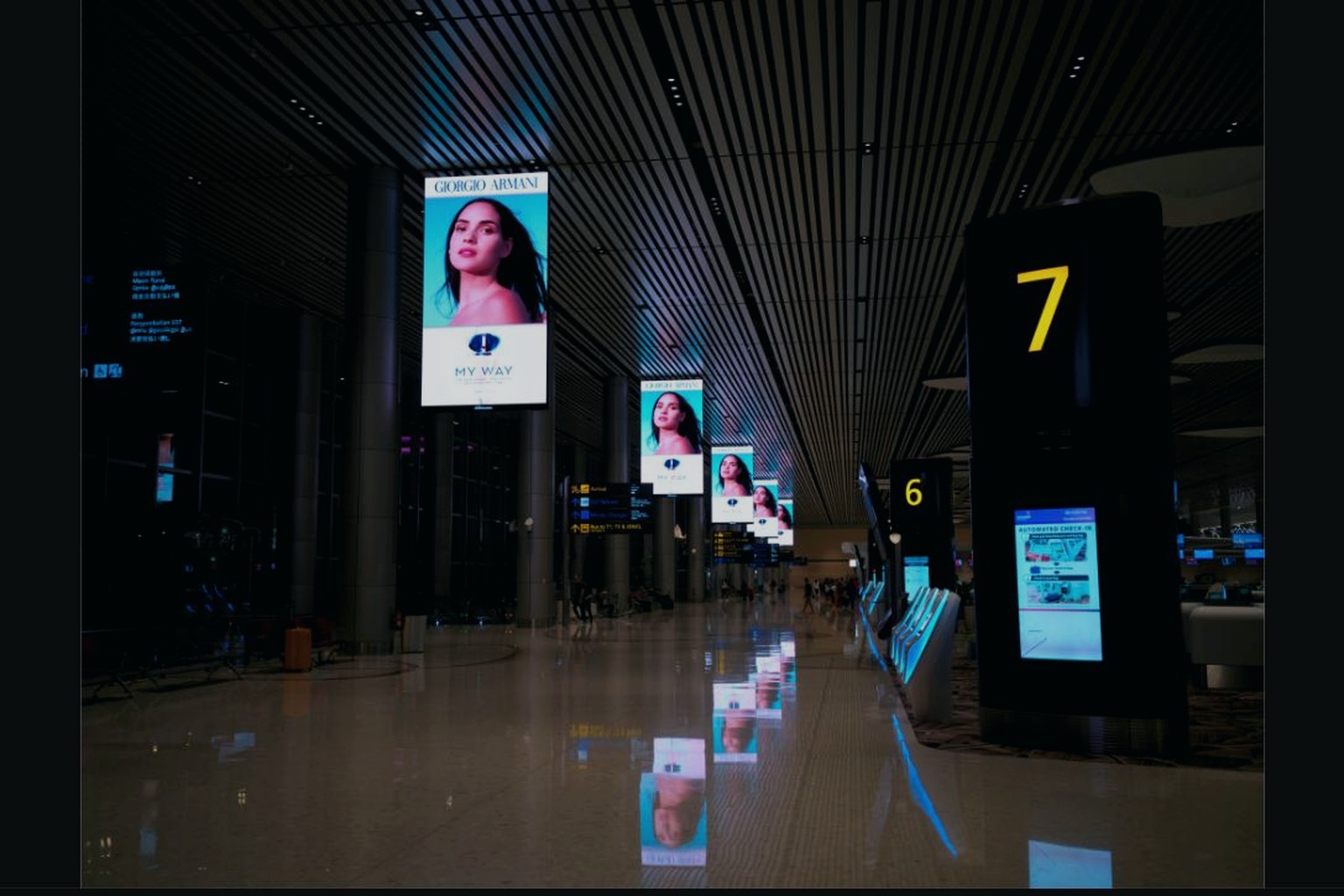
Walk into almost any newly built office tower, hospital, or transit hub today and you will notice screens doing far more than displaying a lobby directory. Digital signage has quietly grown from a novelty used for wayfinding and the occasional weather update into a genuine piece of building infrastructure, wired into the same networks that manage access control, HVAC, and emergency notification. It has become one of the clearest visible signs that a building is smart, even though the screen itself is only the surface layer of a much deeper system.
What makes this shift interesting is not the hardware. Screens have been cheap and available for years. What changed is the software and network layer behind them, which now lets signage pull live data from dozens of building systems and push relevant, timely information to exactly the right screen at exactly the right moment. That capability turns a static display into something closer to a nervous system for how people experience a building.
Beyond Directories and Advertising
Early digital signage in commercial buildings did one job well: replacing printed directories and posters with something easier to update. A property manager could change a tenant listing without reprinting a sign, which was a genuine improvement, but the screens still functioned as one way broadcasts with no real connection to anything happening in the building around them.
Modern signage platforms work differently because they sit on the building’s network rather than running as isolated media players. A screen in a lobby can pull a live feed from the visitor management system to greet a guest by name, check a room booking system to show which conference rooms are free, or reflect real time transit data so employees know when the next shuttle leaves. None of that requires a person to manually update content, since the screen is simply reflecting data that already exists elsewhere in the building.
This has changed what signage is expected to do. Instead of being judged on how attractive the graphics look, it is increasingly judged on how useful and current the information is. A screen that shows yesterday’s occupancy numbers or an outdated meeting schedule stands out immediately in a building where everything else updates in real time, which puts pressure on operators to keep the content pipeline genuinely live.
Signage as a Feedback Channel for Building Operations
One of the less obvious developments is that signage has started working in both directions. Touchscreens near elevator banks let visitors search for a tenant and generate a route, and that search data tells building management which floors and companies get the most foot traffic. Screens near shared amenities can collect quick feedback, whether a conference room needs cleaning or a temperature adjustment, and route that request straight into a building’s maintenance ticketing system.
This feedback loop is particularly valuable during emergencies. Digital signage tied into a fire alarm or mass notification system can switch instantly from a lobby advertisement to clear evacuation instructions, and because the screens are networked, every display in the building can update at once rather than depending on a facilities employee running between floors with a printed sign. That kind of coordinated response used to require a much larger and more expensive dedicated system, but it now piggybacks on infrastructure many buildings already have in place for everyday content.
Health and safety changes in recent years pushed this further. Buildings began using signage to communicate occupancy limits in real time, point people toward less crowded entrances, or show air quality readings pulled directly from HVAC sensors. None of that is possible with printed signs, and it illustrates how signage has moved from a passive display into an active reporting tool that reflects conditions inside the building as they actually are.
Integration with Building Management Systems
For signage to do any of this, it has to speak the same language as the rest of a building’s control systems, which has pushed the industry toward open protocols and standard network integration rather than closed, single purpose displays. Content management platforms increasingly connect to building management systems through APIs, pulling structured data on occupancy, temperature, air quality, and scheduling rather than requiring a person to type updates by hand.
This integration also changes who is responsible for signage inside a building. It used to sit firmly with marketing or tenant relations teams, since the content was mostly promotional. Now facilities and IT departments are often just as involved, because the screens depend on network reliability, data security, and uptime in the same way any other building system does. A signage outage today is treated less like a broken poster and more like a system fault that needs troubleshooting.
This shared ownership has encouraged a more disciplined approach to how signage networks are designed. Screens are placed on segmented network zones with proper access controls, updates are scheduled and tested rather than pushed live without review, and redundancy is built in so a single content server failure does not take every screen in a building offline at once. That level of rigor would have seemed excessive for a lobby directory a decade ago, but it makes sense once signage is treated as genuine building infrastructure.
Where Signage Is Heading Next
The next stage of development looks less like bigger or sharper screens and more like better use of the data already flowing into them. Predictive scheduling is one example, where a signage system anticipates when a lobby will be busy based on historical patterns and adjusts wayfinding content in advance rather than reacting after congestion has already built up. Personalization is another, with some buildings experimenting with signage that recognizes a badge or mobile credential and adjusts a greeting or directions accordingly, without needing a person to stop and look anything up.
Sustainability reporting is also finding its way onto screens, with some properties displaying live energy or water usage data in shared spaces as a way of keeping tenants informed and, in some cases, encouraging more conscious use of shared resources. This kind of transparency was rare a few years ago and reflects a broader trend of buildings using visible infrastructure to communicate performance that used to stay buried in a facilities report nobody outside the team ever read.
What ties all of this together is that digital signage has stopped being a standalone amenity and has become one of the more visible expressions of how connected a building actually is. The screen itself rarely changes much year to year. What sits behind it, the data, the integrations, and the network it depends on, is where the real transformation has happened, and that is likely to keep shaping how people experience smart buildings going forward.